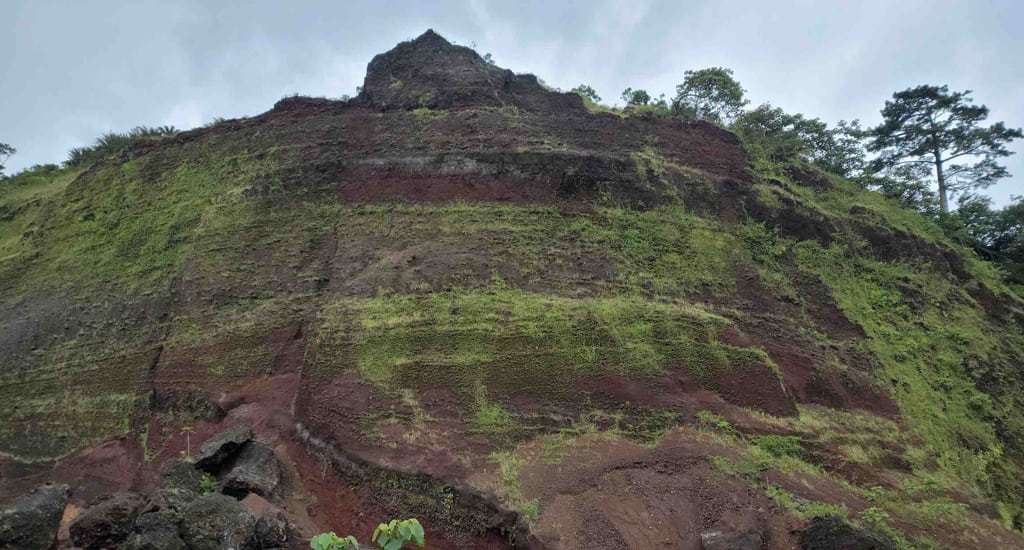
Degraded landscape at Bakingili
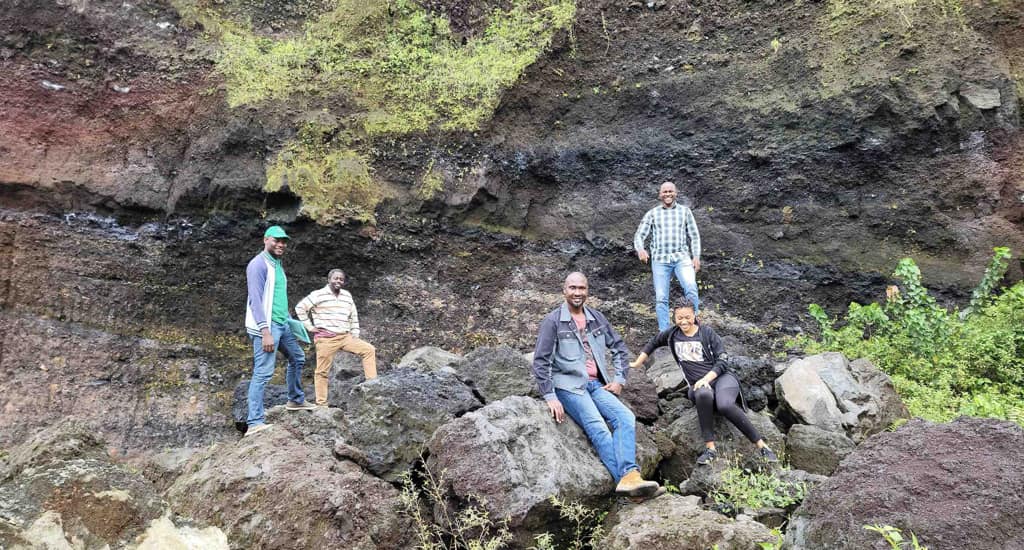
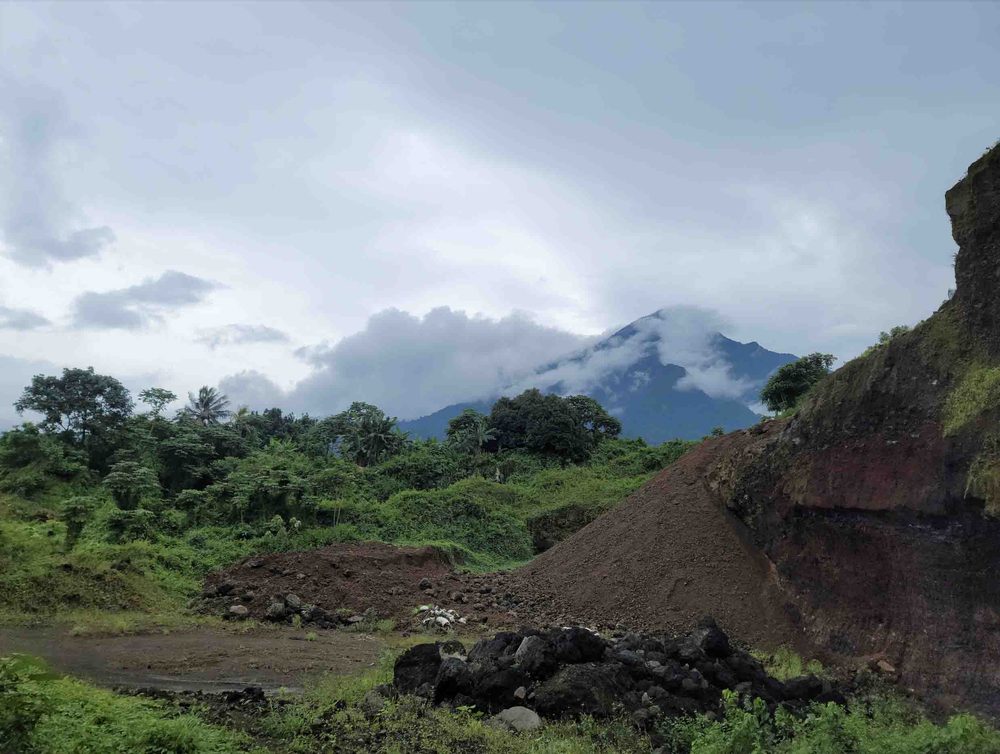
The landscape at Bakingili has suffered severe degradation driven by the heavy over-exploitation of laterite for road construction and regional infrastructure development. This intensive extraction strips away protective vegetation and alters natural soil stability, accelerating erosion and threatening the surrounding ecosystem. Mitigating this issue requires sustainable resource management, strict quarry regulations, and urgent landscape restoration efforts to protect the area's ecological integrity and long-term environmental resilience.
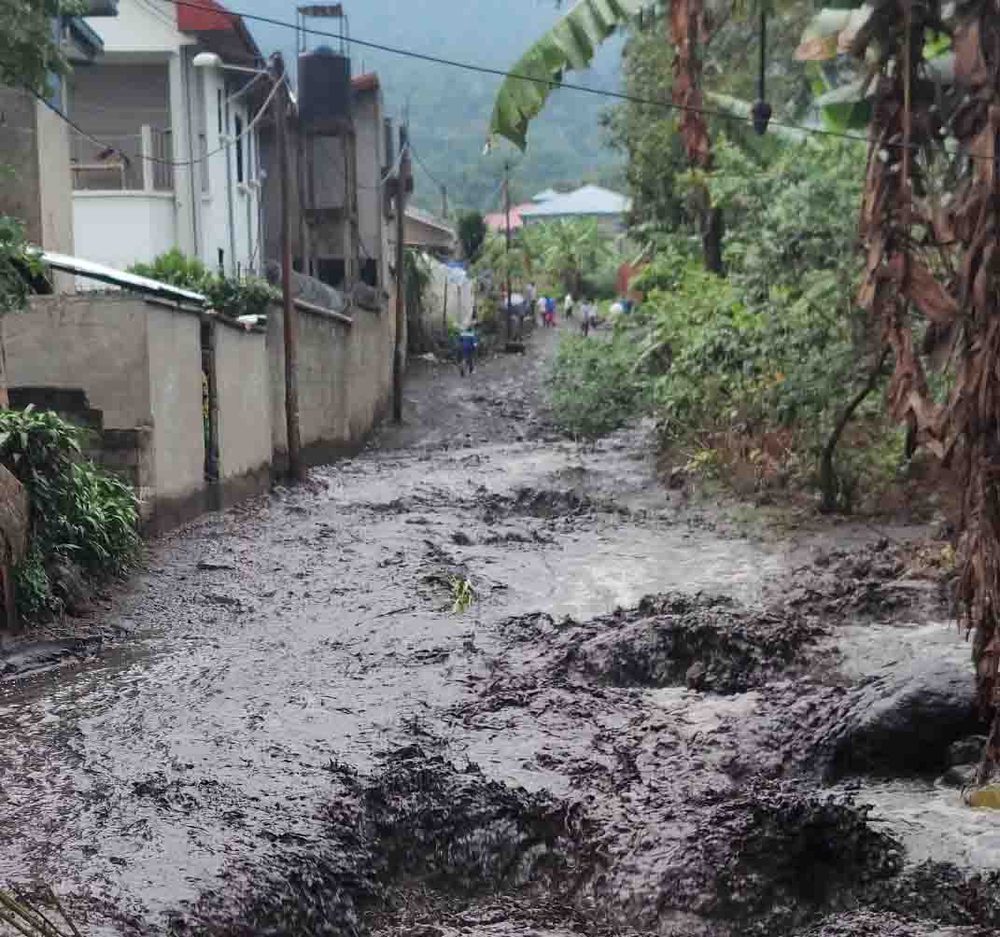
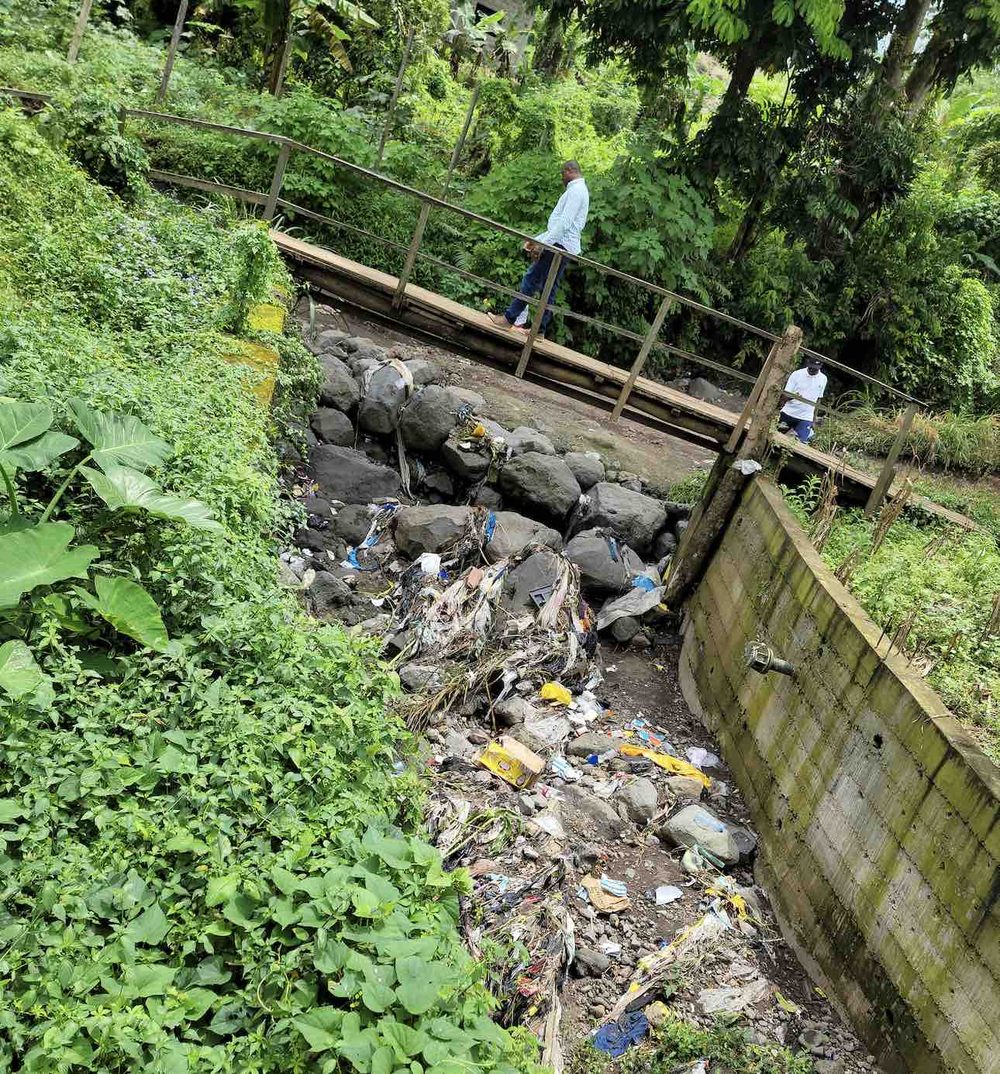
Bokwai mountain runoff
Accelerated landscape degradation and the destruction of properties in Bokwai, Bonduma, Bokoko and Molyko are heavily driven by the blockage of natural mountain runoff pathways. Residents building directly across drainage tracks have severely disrupted natural water channels, forcing floodwaters into vulnerable residential zones. Addressing this challenge demands urgent urban planning enforcement, community sensitization on waterway preservation, and the implementation of robust drainage infrastructure to safeguard lives and property against mounting environmental hazards.
Ekokote water catchment
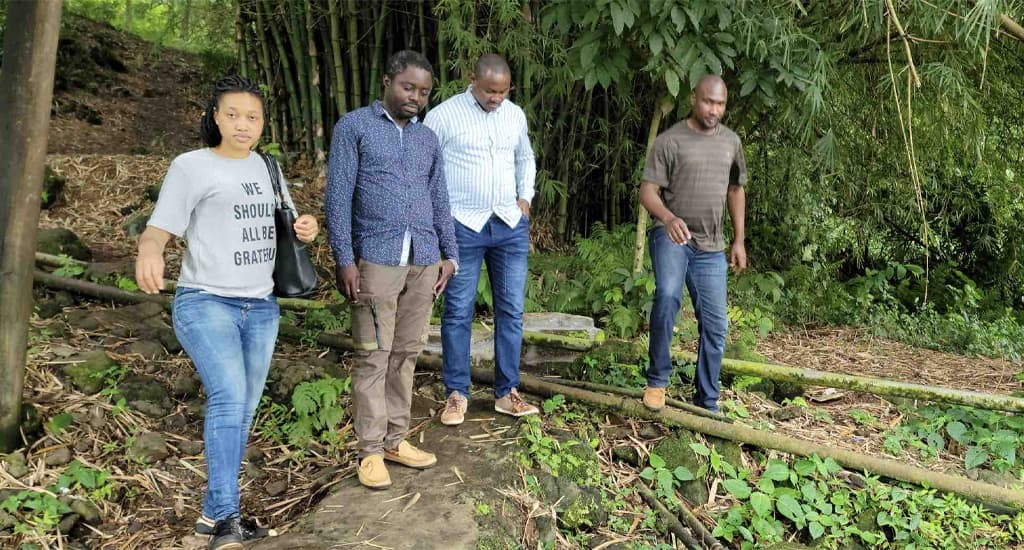
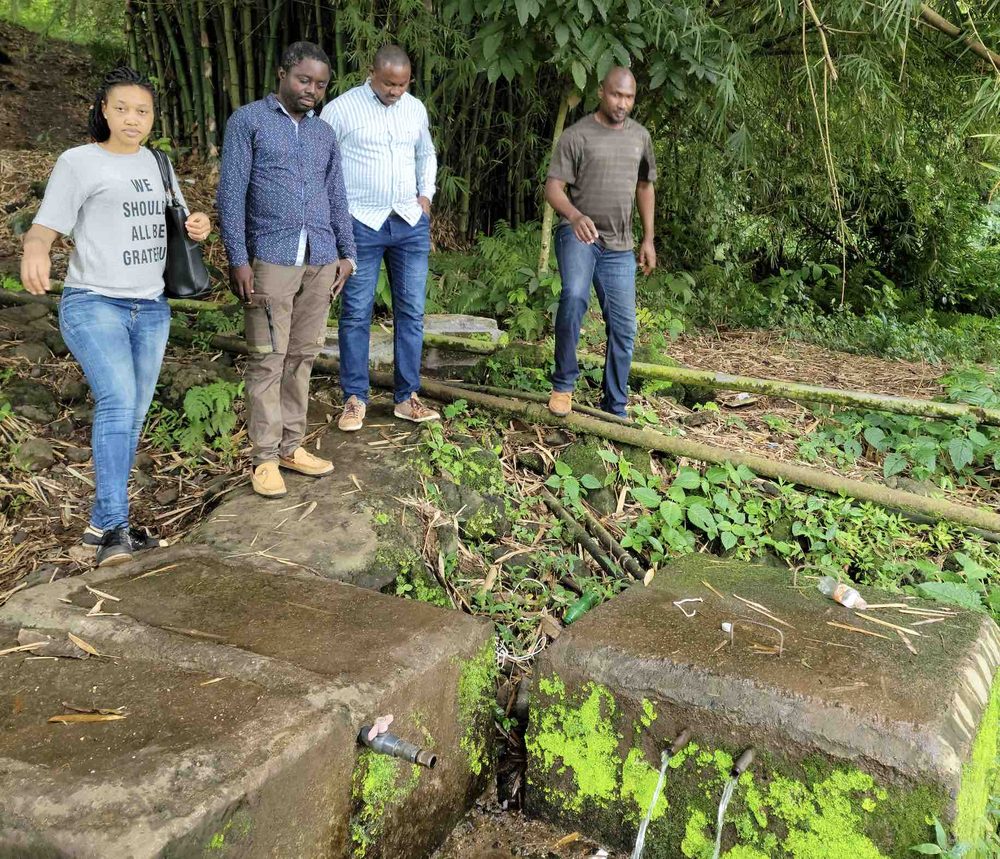
The Ekokote water catchment is facing progressive environmental degradation, marked by a noticeable reduction in water volume and contamination. This decline is largely caused by direct human encroachment, including agricultural expansion and domestic activities near the source. Protecting this vital resource calls for immediate conservation interventions, community-led protection zones, and strict regulatory measures to prevent further pollution and secure a reliable water supply for local residents.
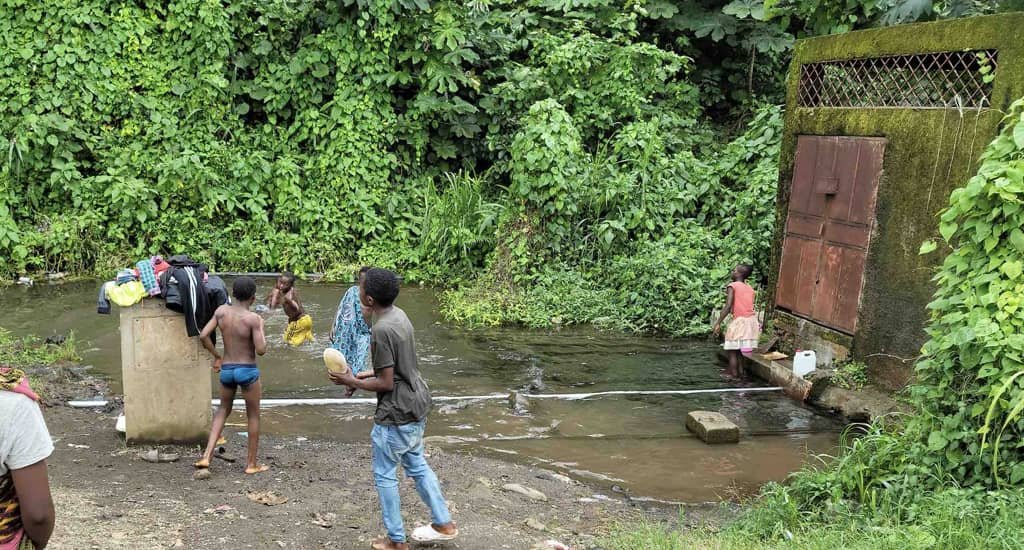
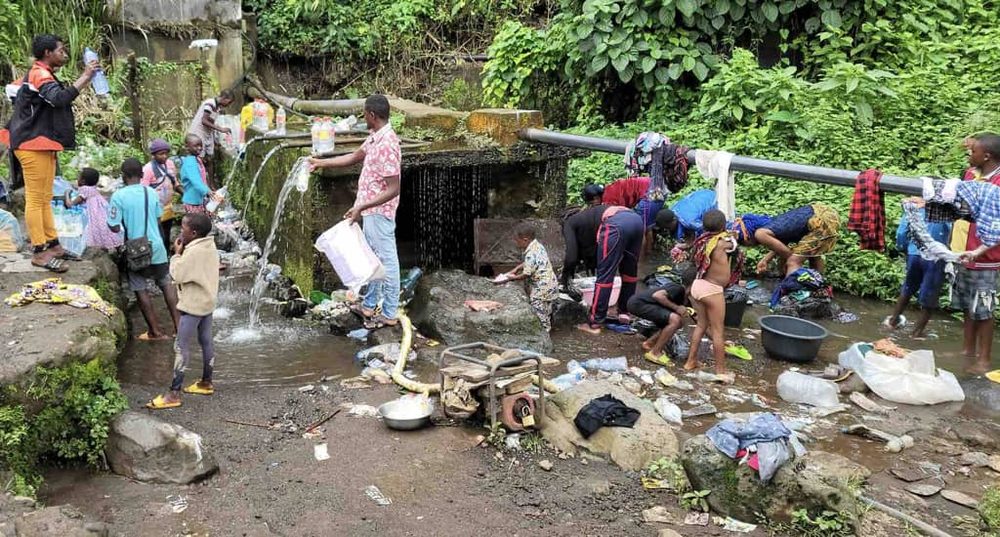
Ivunga water catchment
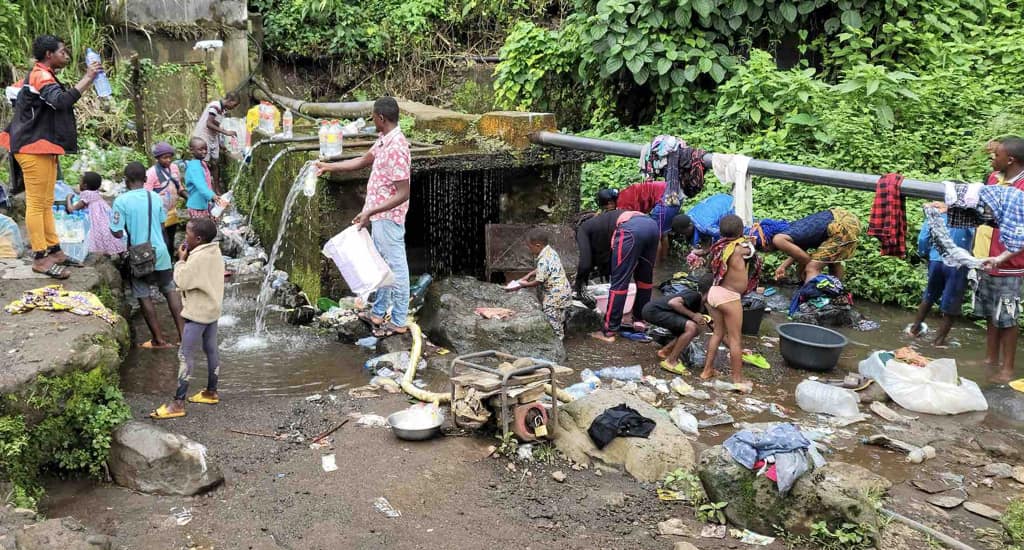
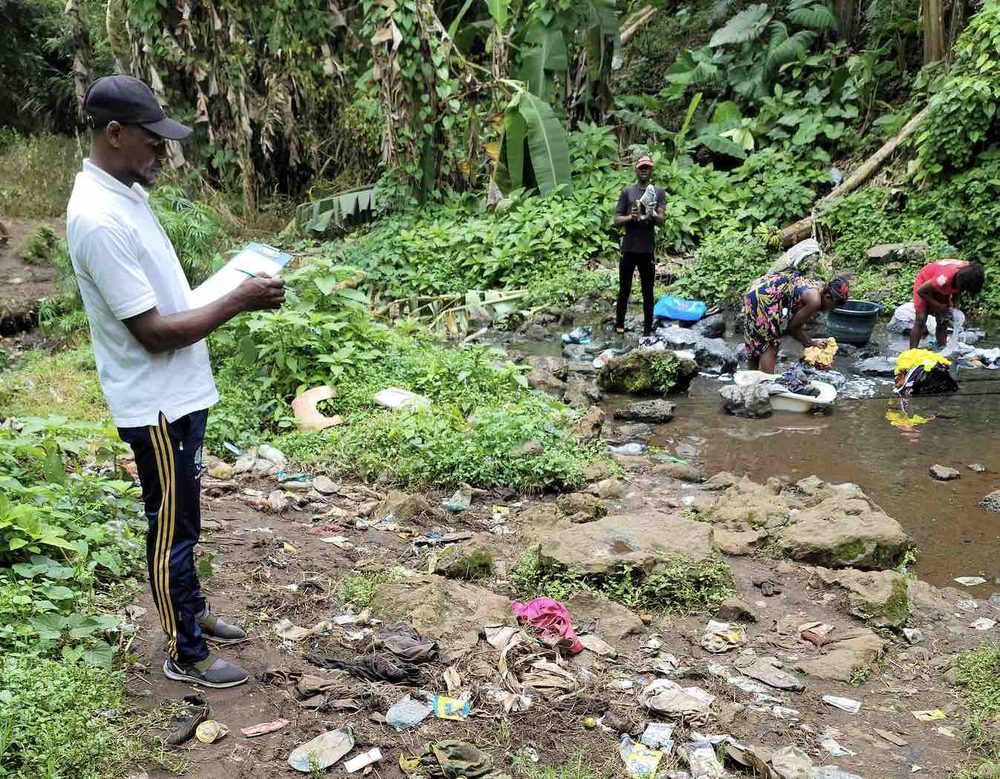
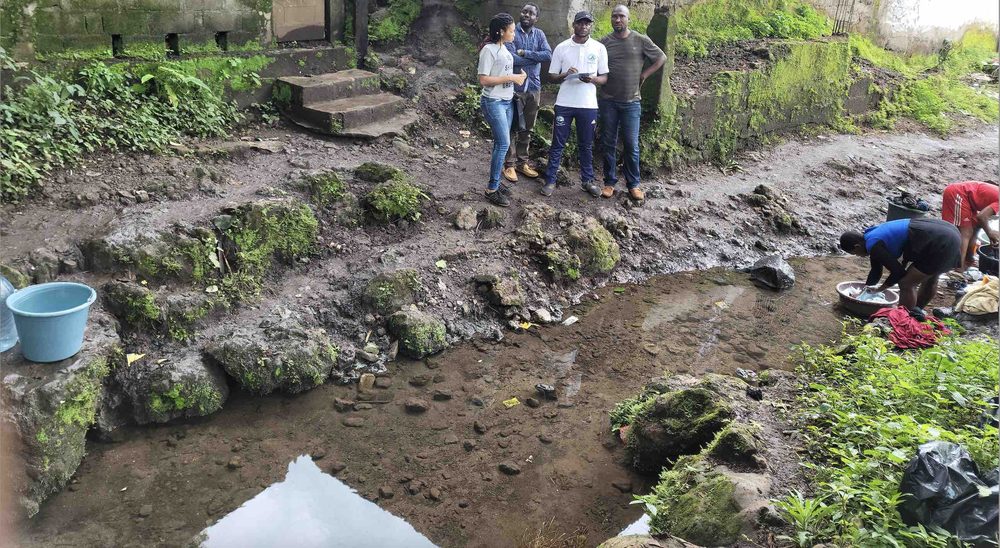
Continuous human encroachment around the Ivunga water catchment has led to significant ecological degradation, diminishing water levels and increasing pollution from washing and waste dumping. This unmanaged pressure threatens both water quality and quantity for the surrounding community. Reversing this trend necessitates integrated watershed management, active community engagement, and strict protective boundaries to restore the catchment's capacity and ensure safe, sustainable access to clean water.
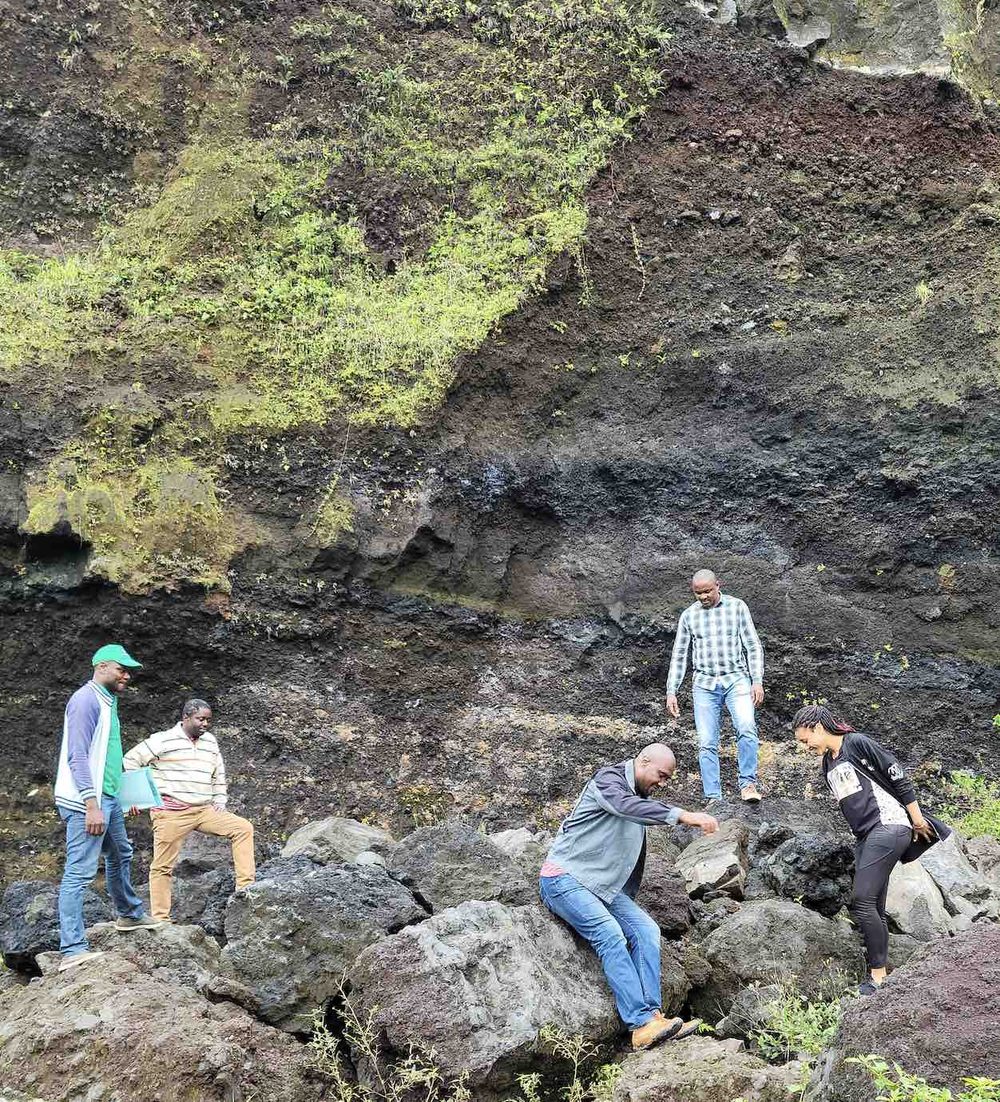
Limbe Quarry
Landscape degradation across the Limbe quarry site stems directly from the intense, unregulated over-exploitation of laterite to supply ongoing road construction and urban expansion projects. This heavy extraction strips the terrain of its natural cover, leaving scarred slopes prone to erosion and landslides. Sustainable alternatives, improved material sourcing policies, and mandatory post-extraction land rehabilitation are critical to halting further ecological damage and restoring the stability of the local terrain.
Metawe water catchment
The Metawe water catchment is experiencing steady environmental decline, characterized by reduced water flow and growing pollution levels driven by residential encroachment. Human activities close to the source compromise both the purity and availability of the water resource. Safeguarding Metawe requires coordinated community stewardship, enhanced sanitation practices, and enforced buffer zones to protect the catchment from further degradation and secure clean water for the population.
Soppo Likoko mountain runoff path
The Soppo Likoko mountain runoff path exhibits severe landscape degradation and property destruction caused by the obstruction of natural drainage channels. Unauthorized construction directly across the water tracks prevents stormwater from flowing freely, redirecting destructive torrents through residential areas. Resolving this crisis requires rigorous enforcement of urban planning laws, the clearance of blocked waterways, and the development of proper drainage engineering to mitigate future flood risks.
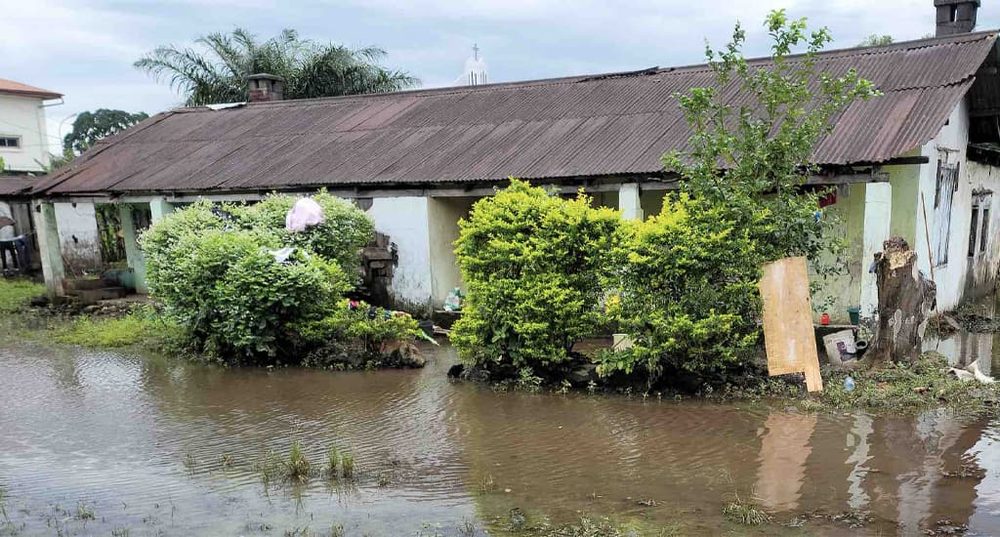
Cassava Farms, Limbe flooding
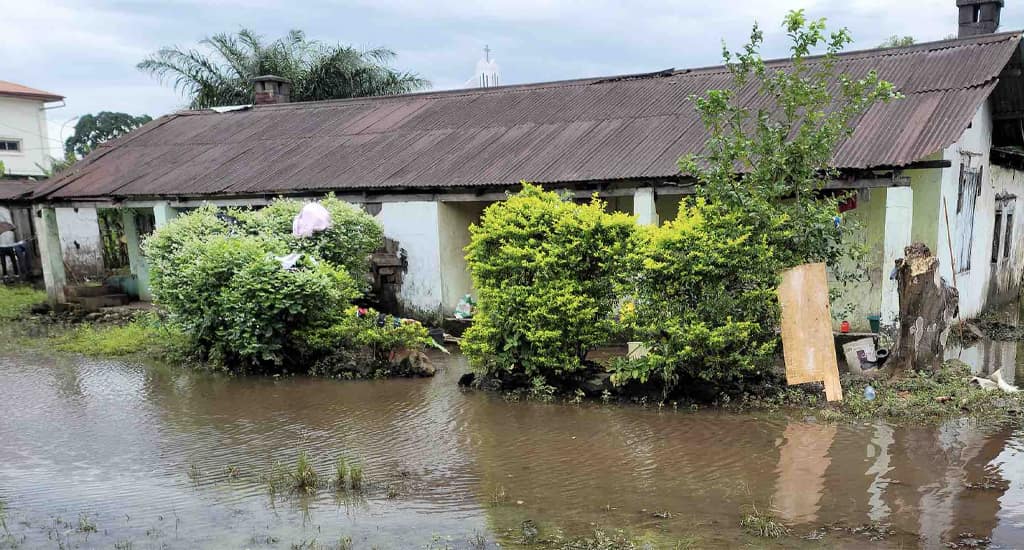
The Cassava Farms area in Limbe faces recurrent and severe flooding leading to extensive property damage, exacerbated by its flat plain topography and a total absence of functional drainage systems. Heavy rainfall easily overwhelms the flat terrain, trapping water around homes and infrastructure. Implementing effective flood mitigation requires comprehensive civil engineering solutions, including the construction of structured drainage networks and sustainable land-use planning to protect local residents.
Koke water catchment
Koke water catchment is severely impacted by human encroachment, leading to diminished water volume and visible pollution from domestic activities surrounding the spring. The lack of protective boundaries allows wastewater and solid waste to enter the water source directly. Preserving this essential community resource depends on establishing strict conservation zones, raising environmental awareness among users, and implementing effective watershed management and sanitation practices.
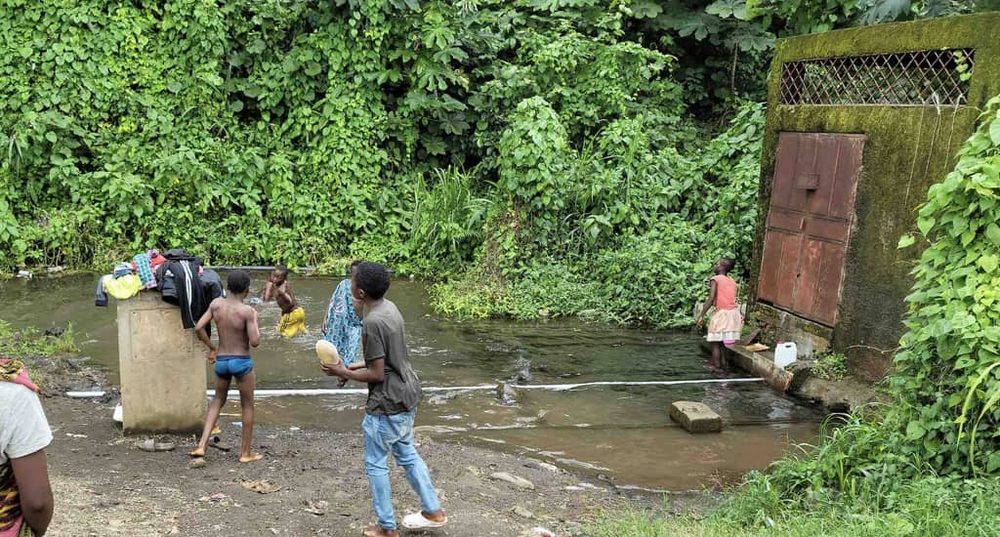
Ndongo water catchment
The Ndongo water catchment suffers from continuous environmental degradation, reduced water yields, and pollution resulting from unmanaged human activity and encroachment near the source. Recreational and domestic use directly inside the catchment zone threatens water safety and ecological stability. Revitalizing Ndongo requires establishing clear protection perimeters, promoting community responsibility, and implementing sustainable water resource management to guarantee long-term availability and clean supply.